
How HOAs Can Reduce Storm Damage Costs and Insurance Claims During Extreme Weather

Extreme weather can turn a normal week in a community association into a scramble. One storm brings down trees, blocks roads, damages roofs, floods common areas, and leaves boards sorting out repairs while residents want fast answers.
For HOAs, the goal is not only to clean up after the weather passes. The smarter goal is to reduce preventable damage before the storm, respond in an organized way during the event, and avoid unnecessary insurance claims after it.

Start with the risks that cost the most
Storm planning works best when the board knows which problems are most likely to create large costs. In many communities, the repeat issues are predictable:
Mature trees near roofs, parking areas, fences, and sidewalks
Poor drainage around buildings, ponds, and common lawns
Loose shingles, aging gutters, and clogged downspouts
Dead limbs over roads and walking paths
Weak fencing, signs, pool furniture, and outdoor fixtures
Erosion near slopes, retaining walls, and water features
A simple risk map can help. Walk the property with the manager, landscaper, arborist, maintenance provider, or reserve study professional. Mark the spots that have failed before or look likely to fail in the next storm.
The board does not need a perfect engineering report to begin. It needs a practical list of high-risk items, ranked by likely damage and safety concerns. That list becomes the starting point for budgeting, vendor scheduling, and insurance discussions.
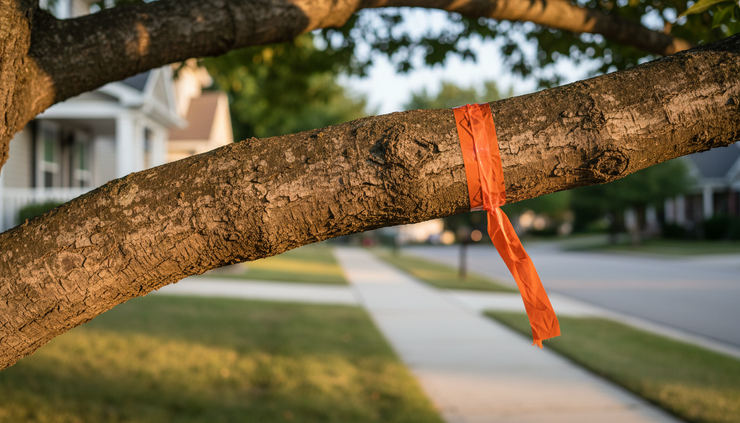
Make tree care a standing budget item
Trees are valuable community assets. They provide shade, control heat, and improve curb appeal. They are also one of the biggest sources of storm-related damage when they are neglected.
A strong tree program includes regular inspections by a qualified arborist, especially after major storms or long periods of drought. The arborist can identify dead limbs, trunk decay, root problems, and trees that lean toward homes or common areas.
Boards can reduce risk by funding:
Annual pruning for high-risk trees
Removal of dead or hazardous trees
Clearance around roofs, lights, and signage
Replacement planting with storm-resilient species suited to the region
Stump and root management near sidewalks and utilities
Tree work can feel expensive until a large limb lands on a roof or a car. Preventive trimming is usually easier to schedule, easier to communicate, and less disruptive than emergency removal after a storm.
Keep drainage and roofs on the storm checklist
Water damage often grows from small maintenance gaps. A blocked drain, sagging gutter, clogged culvert, or low spot near a foundation can turn heavy rain into an expensive repair.
Before storm season, the HOA should inspect and clean:
Storm drains and catch basins
Gutters and downspouts on common buildings
Roof valleys and flat roof drains
Retention ponds and swales
Irrigation systems that may oversaturate slopes
Areas where mulch, soil, or debris blocks water flow
Roof inspections matter too, especially for clubhouses, gatehouses, pool buildings, and other common structures. Loose flashing, cracked sealant, missing shingles, and damaged vents can allow wind-driven rain inside.
The best time to find these problems is during calm weather, not when a resident calls about water coming through a ceiling.
Build vendor relationships before the storm hits
After a major storm, every community calls the same tree crews, roofers, restoration companies, and cleanup vendors. The associations with existing relationships often get faster responses.
An HOA can prepare by keeping a current vendor list that includes:
Emergency tree removal
Tarping and roof repair
Water extraction
General cleanup
Electrical and lighting repair
Fence and gate repair
Security patrol, if access points are damaged
For key services, ask vendors how they handle emergency priority, after-hours calls, insurance documentation, and pricing during widespread weather events. If the association has a management company, clarify who is authorized to call vendors and approve emergency work.
The board should also know its spending authority under the governing documents. A slow approval process can increase damage when water intrusion or blocked access needs immediate attention.
Document conditions before and after storms
Good records can reduce confusion, support insurance claims when they are needed, and help the board show that it acted responsibly.
Before storm season, take clear photos of common areas, roofs, fences, signs, amenities, mature trees, drainage features, and parking areas. Keep them organized by location and date.
After a storm, document damage before cleanup begins, when it is safe to do so. Photos should show both close-up damage and wider context. For example, take a close-up of a broken fence panel, then take a wider photo showing where the fence sits in the community.
Strong documentation should include:
Photos and videos
Date and time of discovery
Location within the community
Weather event notes
Vendor reports and invoices
Board approvals
Resident reports related to common areas
This does not mean every branch or broken sign should become an insurance claim. It means the HOA has the facts needed to make a good decision.

Use insurance thoughtfully, not automatically
Insurance is there for covered losses, especially serious damage that the HOA cannot reasonably absorb. Still, frequent small claims can create problems over time. They may affect premiums, deductibles, renewal terms, or the association’s claims history.
The board should understand:
The property deductible
Wind, hail, flood, and named storm deductibles
Coverage limits for common structures
Tree removal coverage limits
Exclusions and reporting deadlines
Whether flood coverage requires a separate policy
Before filing a claim, compare the likely repair cost with the deductible and the potential long-term impact. If damage is minor and clearly below the deductible, the board may choose to pay from operating funds or reserves. If damage is significant, involves safety, or may worsen, contact the insurance agent promptly.
Do not hide damage or delay reporting when the policy requires notice. The better approach is to create a clear claim decision process before the next storm arrives.
Communicate early with residents
Storm damage becomes more expensive when residents do not know what to do. Cars remain parked under damaged trees. Personal items stay on balconies. People walk into blocked or unsafe areas. Small leaks go unreported.
A short storm policy can help residents understand:
Where to report common area damage
When to move vehicles from tree-lined areas, if directed
What items should be secured on patios and balconies
Which repairs are owner responsibility and which are HOA responsibility
How updates will be sent after a storm
Why some cleanup may take priority over cosmetic repairs
Communication should be calm, brief, and practical. Before the storm, focus on preparation. During the storm, focus on safety. After the storm, explain what has been inspected, what is being scheduled, and what residents should avoid.
Fund prevention through reserves and operating budgets
Storm readiness costs money, but surprise repairs usually cost more. Communities that underfund maintenance often end up paying emergency rates, special assessments, or higher repair costs after damage spreads.
Reserve studies should account for common components exposed to weather, such as roofs, fencing, drainage systems, exterior lighting, gates, retaining walls, and amenities. Operating budgets should include routine trimming, drain cleaning, inspections, and minor repairs.
A board can also create a storm response line item. Even a modest annual allocation can help cover small cleanup costs without turning every weather event into a financial emergency.
This is where How HOAs Can Reduce Storm Damage Costs and Insurance Claims During Extreme Weather becomes a practical board goal, not just a storm-season slogan.

Review every storm response and improve the plan
After cleanup, take time to review what happened. Which areas failed? Which vendors responded well? Were residents confused? Did the board have enough authority to act quickly? Did documentation support the insurance decision?
Turn those answers into updates for the next season. The most effective HOA storm plans are living documents. They improve after every event.
Extreme weather is not going away, and no community can prevent every loss. But an HOA can lower its exposure with regular inspections, smart tree care, clear records, strong vendor relationships, and careful insurance decisions.
The takeaway is simple: prepare during quiet weather so the association is not forced to make its most expensive decisions during a storm.


Comments